
The Allure of Ambiance
The design of a casino is meticulously crafted to envelop visitors in an inviting and thrilling ambiance. Various elements such as lighting, color schemes, and music are strategically employed to create a stimulating atmosphere that entices guests to stay longer. Soft lighting and vibrant colors can increase arousal, encouraging players to engage with the games around them, including online pokies real money , which provide even more excitement. Moreover, the careful selection of background music often complements the excitement of gameplay, seamlessly enhancing the overall experience.
This ambiance not only captures the attention of the guests but also influences their decision-making processes. For instance, bright, pulsating lights can heighten feelings of excitement and anticipation, urging players to take risks they might otherwise avoid. Furthermore, the absence of windows and clocks in many casinos removes any natural time cues, fostering a sense of timelessness that keeps players engaged in their pursuits without awareness of how long they have been there.
Psychologists have also found that environmental design can stimulate social interaction. This interaction can lead to increased player dependency on games, as shared experiences enhance their sense of presence in that environment. Whether through active social spaces or compelling game layouts, the design of casinos is always aimed at facilitating interpersonal connections, which further entices players to remain on-site and participate in the gaming experience.
Layout and Flow
The physical layout of a casino is intentional, encouraging a natural flow that guides guests through various gaming sections. By positioning popular games strategically, casinos ensure that players are continuously exposed to engaging options. This design technique keeps the excitement palpable, as guests seamlessly transition from one game to another without ever feeling the urge to leave the venue. The layout can be seen as a carefully orchestrated journey, where each turn reveals new opportunities for entertainment.
Moreover, the layout commonly employs a maze-like pattern that creates an air of discovery. As players navigate through the space, they encounter hidden gaming areas, lounges, and restaurants that enhance their overall experience. This exploratory aspect not only amplifies the thrill of gaming but also promotes longevity in guest visits, as they find new options to try and new experiences to engage in. The thrill of discovery plays a significant role in keeping visitors engaged and excited.
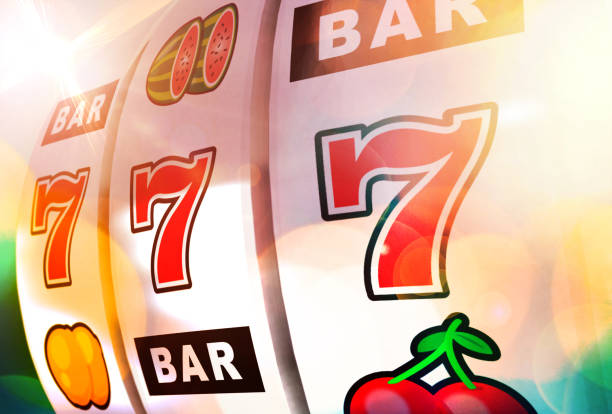
Effective casino layouts also ensure that social interactions occur between games. For example, snack areas, lounges, and bars are strategically placed so that players are naturally drawn to them. This design encourages players to take breaks, socialize, or even observe other games, ultimately keeping them within the casino longer. The combination of a thoughtful layout with ample social opportunities significantly amplifies the allure of the gaming experience and contributes to the overall enjoyment of the visit.
The Psychological Influence of Games
The types of games offered in casinos are not just chosen for their entertainment value; they are also selected for their psychological impact. For instance, games with lower odds of winning, such as slot machines, are designed to provide frequent, smaller wins to keep players engaged and hopeful. These intermittent rewards create a sense of excitement that reinforces the behavior of continued play, even against the odds. This design strategy is rooted in an understanding of behavioral psychology, which indicates that players are motivated by the thrill of winning, regardless of the frequency of those wins.
Additionally, the psychology of risk-taking plays a vital role in game selection. Casinos often feature games that allow for both skill and luck, attracting players who thrive on competition. The thrill of potentially winning large sums of money against the odds encourages players to take risks and engage more deeply with the experience. This psychological dynamic is a powerful factor in why certain games become favorites among visitors, as they resonate with the innate human desire for challenge and reward.
From a behavioral psychology standpoint, the frequent reinforcement of wins or near-wins taps into the brain’s reward system, leading to increased dopamine production. This chemical response fosters an emotional attachment to the gaming experience, making it harder for players to walk away. The carefully chosen selection of games combined with a deep understanding of psychological influences creates an environment where guests feel compelled to continue playing, often losing track of time in the process.
Targeting Emotions through Branding
The branding of a casino plays a critical role in attracting and retaining visitors. Each casino strives to establish a unique identity that resonates with potential guests on an emotional level. This is often achieved through carefully crafted marketing materials that evoke feelings of luxury, excitement, and adventure, thereby appealing to the desires and fantasies of the target audience. A strong brand presence can create a sense of trust and loyalty that entices guests to return repeatedly.
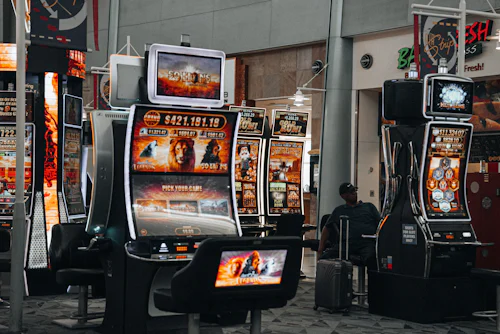
Moreover, brand loyalty is cultivated through various strategies, such as reward programs, special events, and exclusivity. By fostering a connection with their guests based on shared experiences, casinos create lasting relationships that encourage return visits. This emotional investment is invaluable as it transforms casual visitors into loyal patrons who perceive the casino as a place where they belong. The emotional connection established through branding significantly influences the likelihood of repeat patronage.
In addition, successful branding often leverages storytelling elements that encompass the casino’s atmosphere and offerings. Employing narratives that highlight the thrill of winning, the allure of social interaction, or the sophistication of their services can create a powerful emotional draw. This connection between branding and emotions solidifies the appeal of a casino and enhances the overall guest experience. When visitors feel emotionally connected to a brand, they are more likely to share their experiences with others, further amplifying the casino’s reach and influence.
Understanding Casino Design and Its Impact on Visitors
To fully appreciate the intricate balance of casino design, it is essential to look at its impact on visitors. Comprehensive research into environmental psychology reveals how sensory experiences influence behavior and decision-making. Casinos harness this knowledge to create a multifaceted experience that captivates not just the mind but also the emotions of their guests. As a result, visitors often find themselves transported into a world where excitement and the possibility of fortune reign supreme.
Through careful design strategies, casinos encourage socialization, exploration, and prolonged engagement. By employing principles of layout, ambiance, and psychological influence, they create spaces that are not only visually appealing but also psychologically enticing. This synergy of design and psychology elevates the casino experience to a level where visitors feel more than just players; they become part of a vibrant atmosphere that thrives on excitement and interaction. This immersive environment is a critical factor in the overall appeal of casinos.
Ultimately, understanding how design impacts visitor psychology enables casino operators to refine their strategies continually. With ongoing research and evolving trends, the landscape of casino design will likely change, but its core objective remains: to create an exhilarating experience that captivates guests and keeps them coming back for more. As casinos adapt to new findings and preferences, the focus on psychological principles in design will continue to enhance the guest experience, ensuring that visitors leave with unforgettable memories.